THE DIVERSITY OF PRECIOUS METALS
GOLD, SILVER, PLATINUM AND MORE
Metals are traditionally categorised by density into heavy metals and light metals and into precious metals and base metals. In general, precious metals include Gold, platinum, palladium, silver, copper, ruthenium, rhodium, rhenium, osmium, iridium.
The following are among the most important precious metals that we process in our workshop for jewellery production, i.e. for making our rings:
Gold
Gold is a chemical element with the element symbol Au (Latin aurum). Its density or specific gravity is 19.32 g/cm³, making it one of the highest in the world, and its melting point is 1064.18 °C.
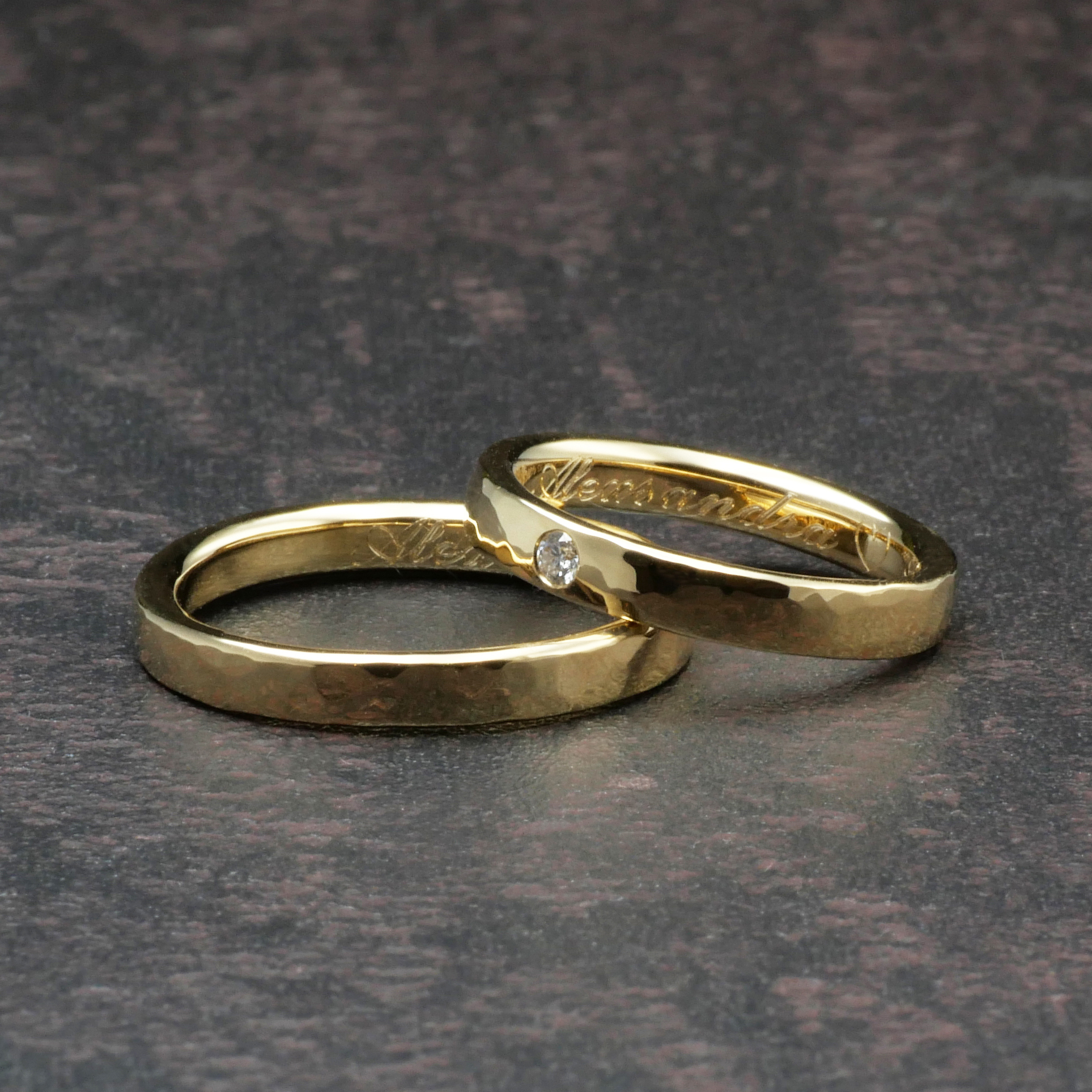
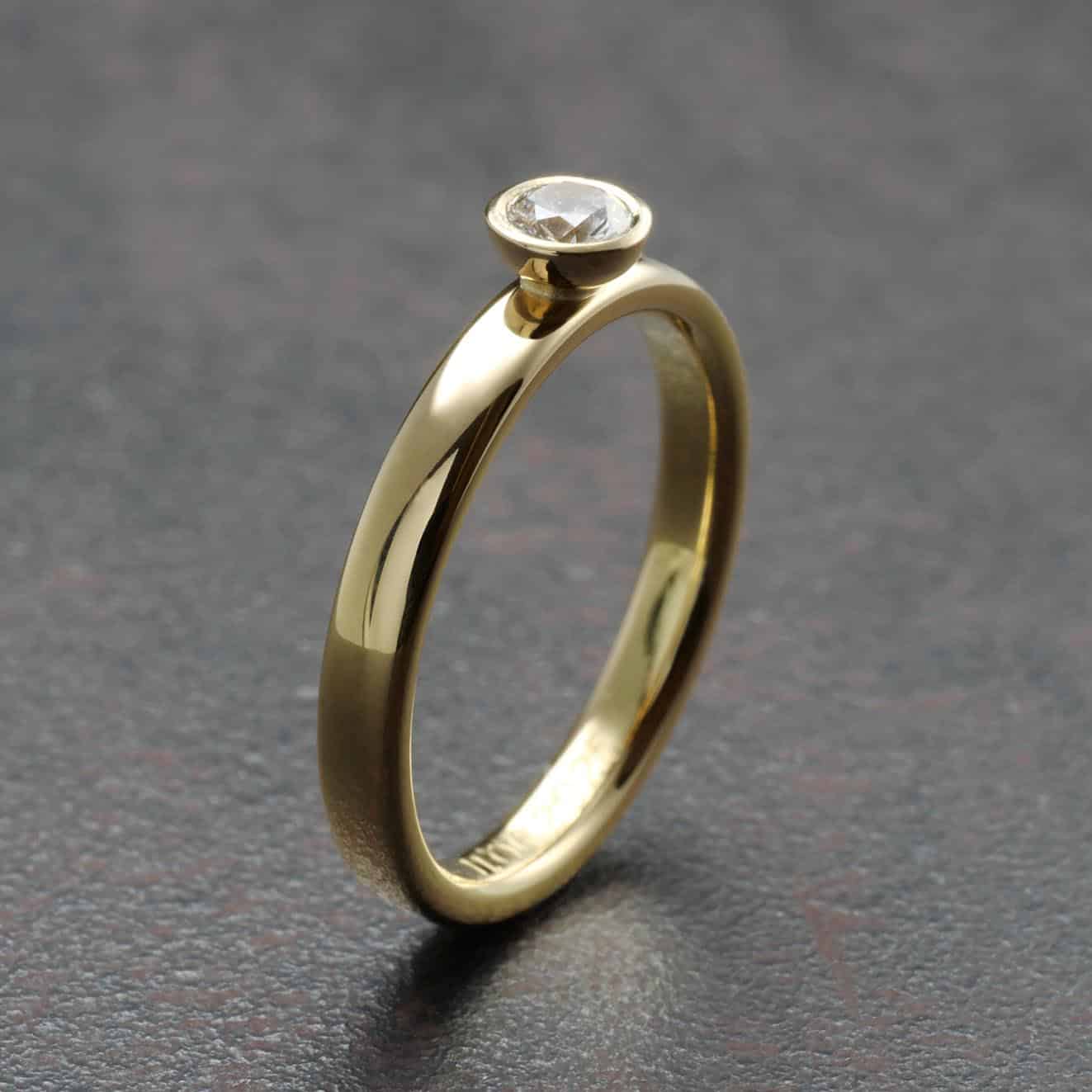
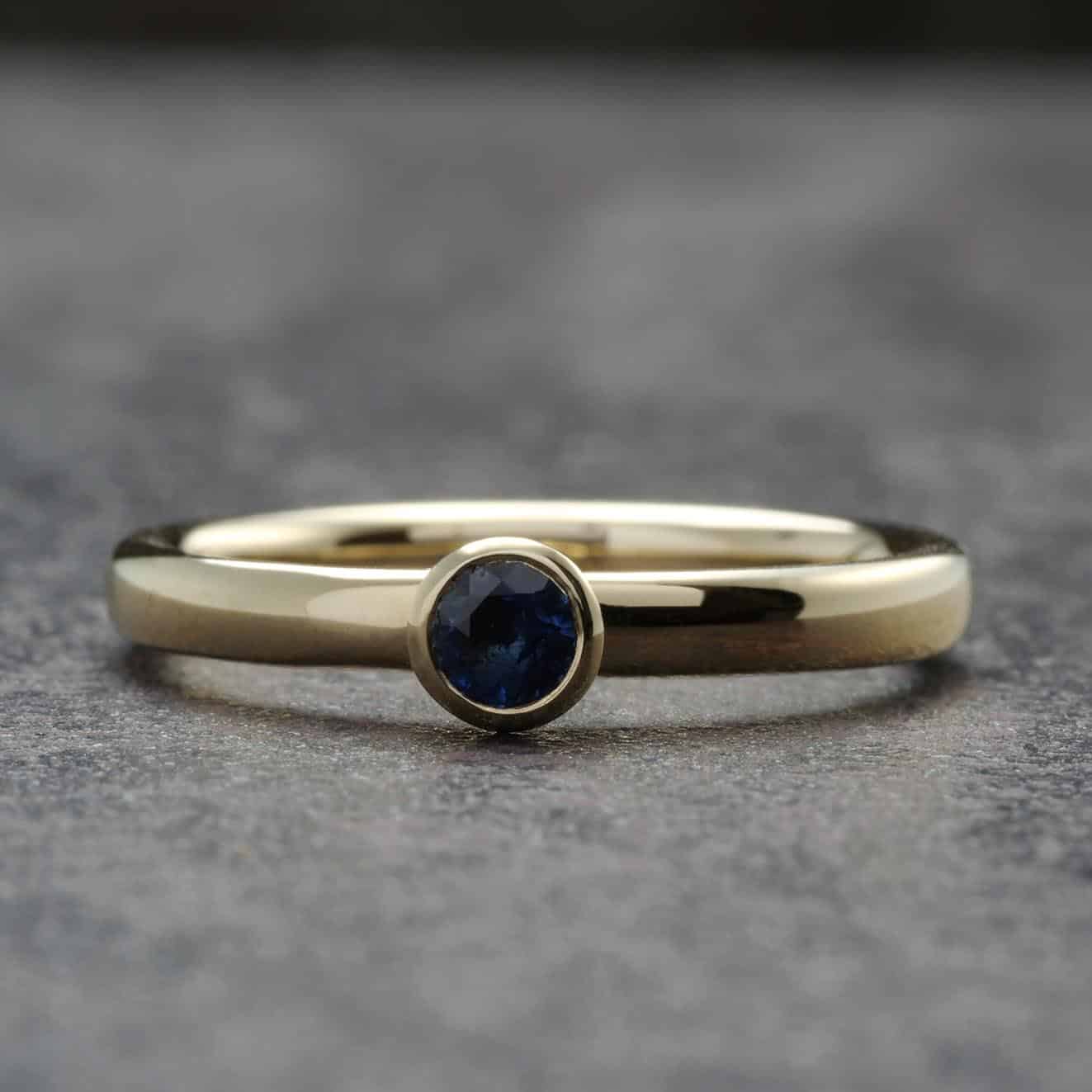
Gold is one of the most popular precious metals for jewellery. The shiny yellow metal does not oxidise or change colour over time. Gold is used in different carat levels, with 24 carat being pure gold (more on fineness and carat below). Gold alloys with other metals such as silver, copper or zinc are often used to adjust the hardness and colour of the gold.
silver
The element symbol Ag is derived from the Latin word argentum for "silver". Silver is a shiny white precious metal. It is a soft, easily malleable metal with the highest electrical conductivity. The melting temperature is 961 °C. The precious metal has a density of 10.49 g/cm³ and is therefore, like all precious metals, a heavy metal.
It is also a popular precious metal for jewellery. Silver is more susceptible to oxidation than gold, sterling silver is usually used for jewellery, consisting of 92.5 % pure silver and 7.5 % other metals such as copper to improve its durability.
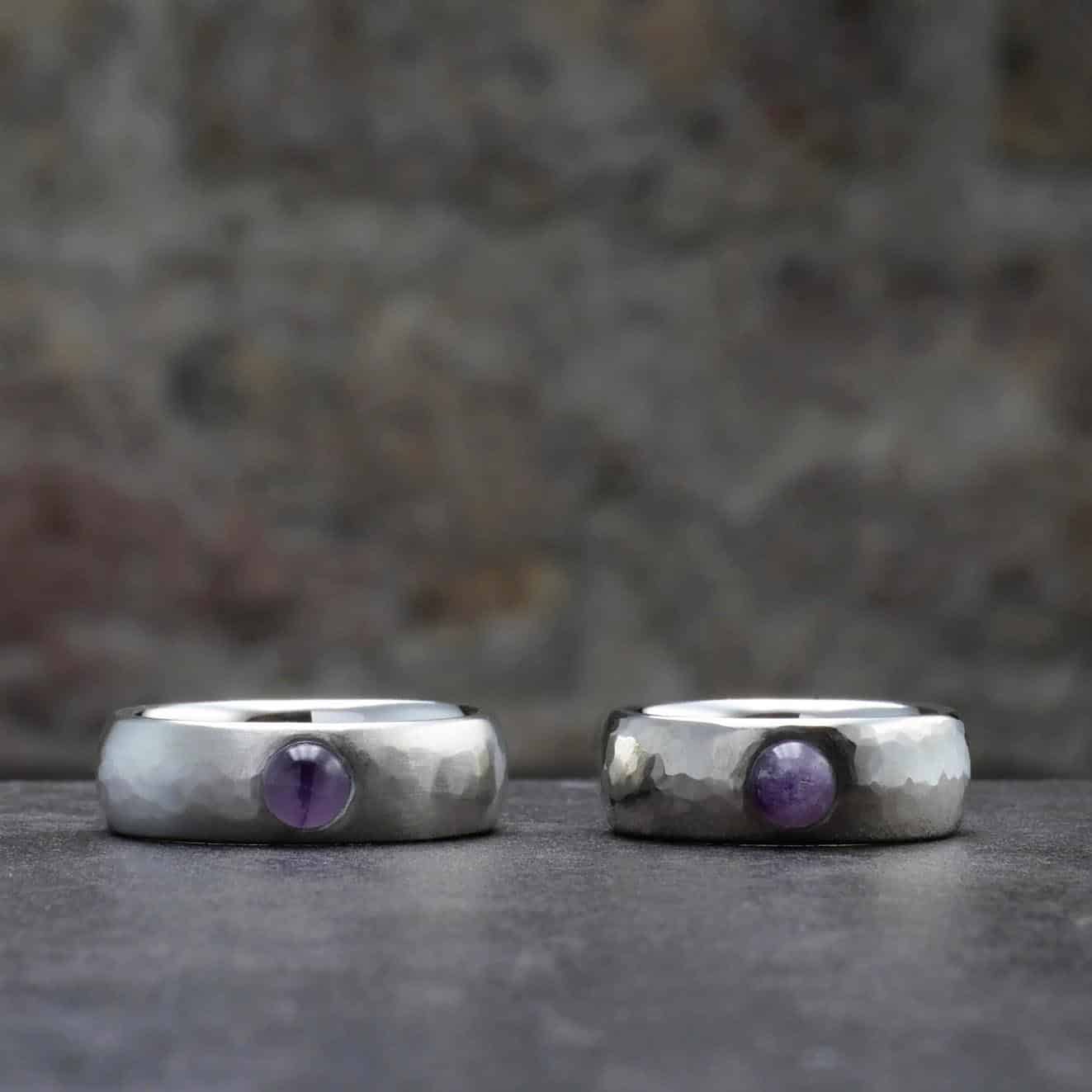
We use silver in our ring forge in conjunction with the sand casting technique, which you will learn about when you book a silver ring course with us. You can find out more about this topic in the SILVER RINGS section.
Platinum
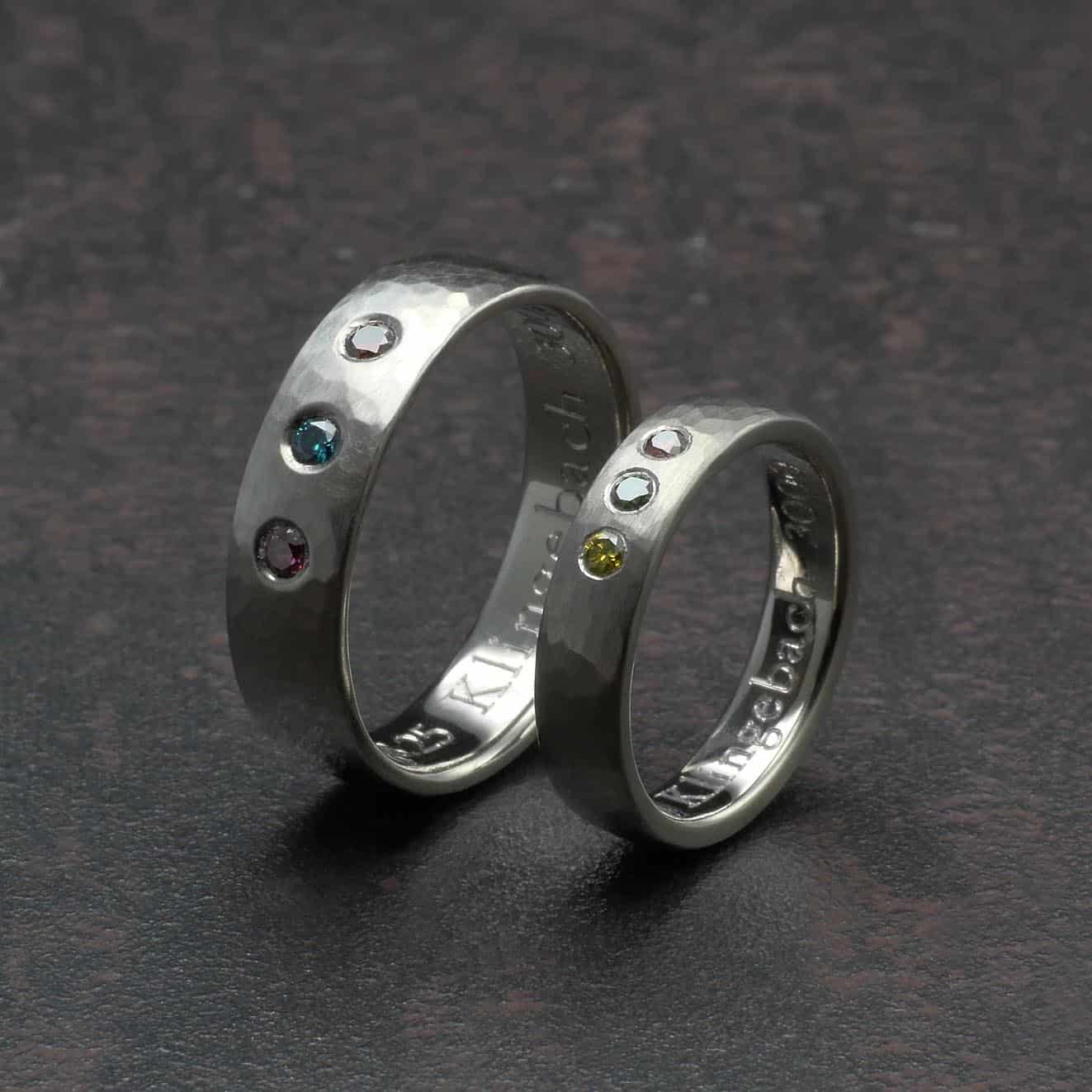
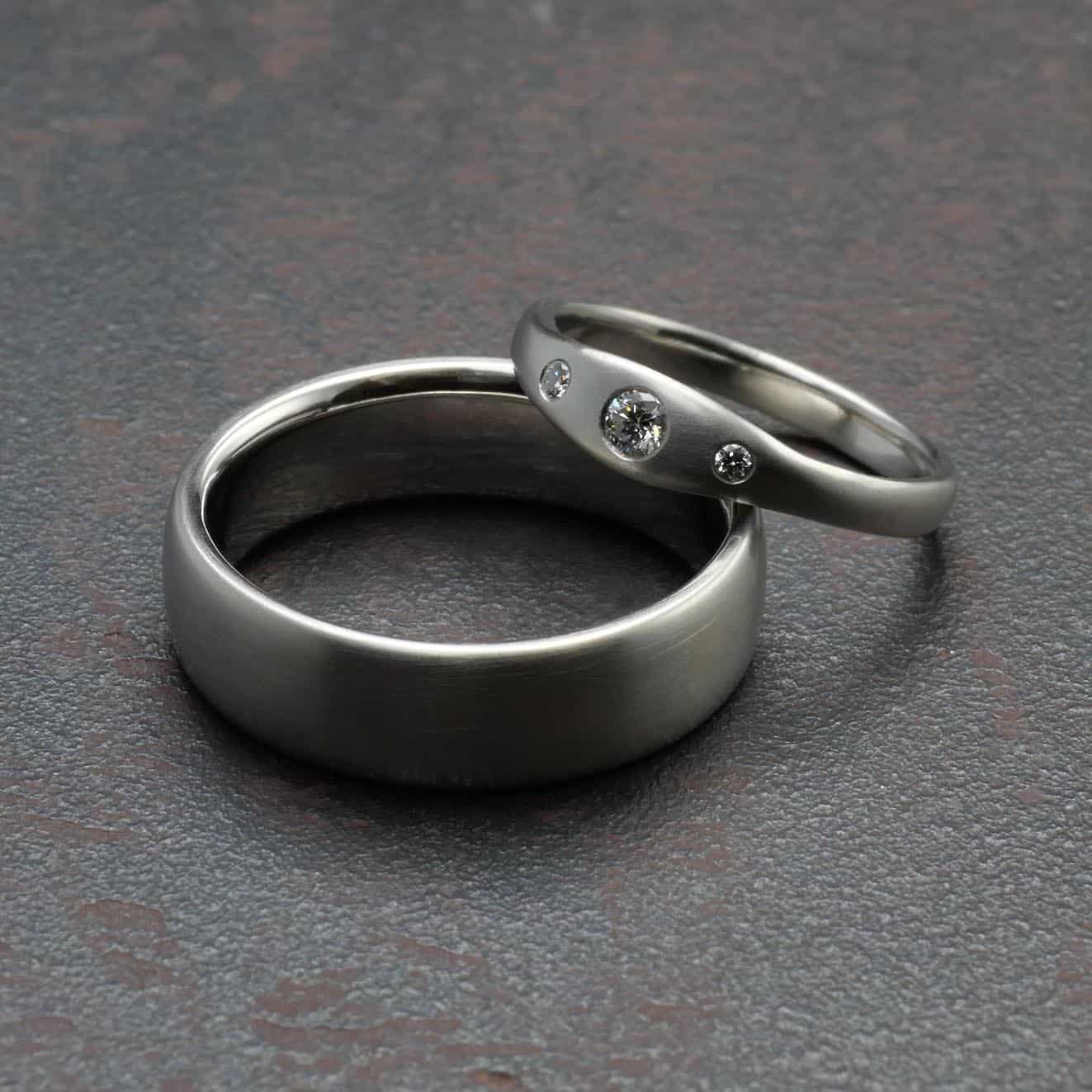
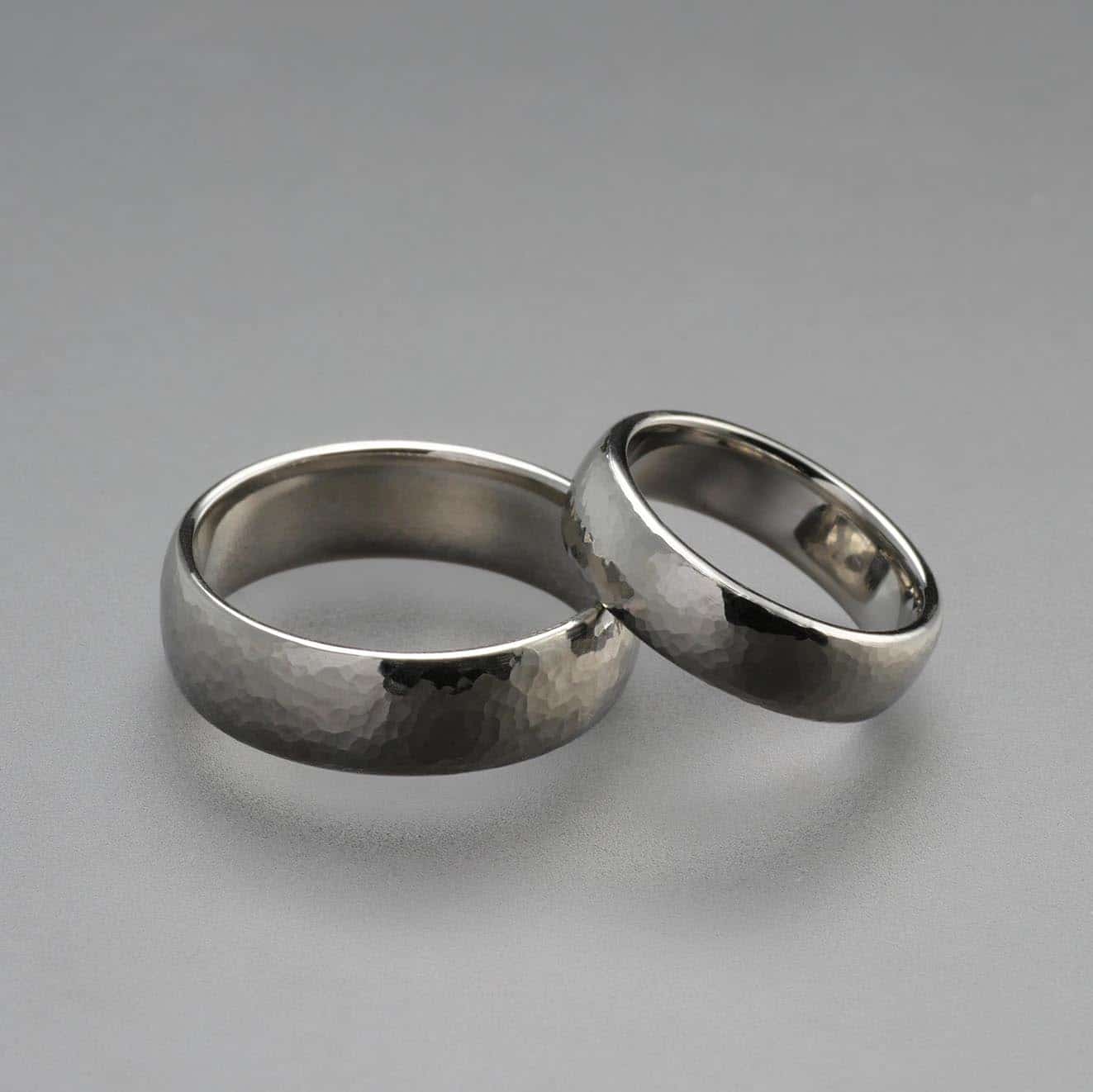
The name is derived from the Spanish word platina, a diminutive of plata "silver". It has an even higher density than gold and is therefore one of the heaviest metals, with a specific weight of 21.45 g/cm³ and a melting point of 1768.3 °C. It is one of the rarest and most expensive precious metals and is valued in jewellery making for its exceptional durability and purity. It is a malleable, ductile, grey-white precious metal that has remarkable corrosion resistance, is resistant to scratches and wear and retains its natural colour for a long time. Platinum is often used in alloys with other metals such as palladium or iridium to increase its strength. We use 96 % Pt, with 4 % copper, the so-called 960 platinum.
A lot of platinum was used in industry in the past, so it was one of the most expensive metals. At the moment, all the materials that are not used so much in industry are cheaper; the principle of supply and demand also applies to pricing here.
PALLADIUM
Palladium is a grey to silver-white precious metal with the element symbol Pd. Among the platinum metals, it has the lowest melting point of 1554.9 °C and a density of 11.99 g/cm3. Together with platinum, rhodium, ruthenium and osmium, this rare precious metal forms the group of platinum metals. Alongside platinum and rhodium, palladium is an economically important platinum metal and is used in large quantities for the production of catalytic converters. It is also used in electronics, dentistry, fuel cells and many other areas, for example in the jewellery industry, where it is alloyed with gold to produce white gold.
In the ring forge, we use palladium to decolourise gold. We use an 18 % palladium alloy, as well as an 8 and 10 % sand-coloured alloy, called sand gold.
ARGENTIUM SILVER
Argentium® silver, developed and patented in the 1990s by Peter Johns, a metallurgist at the University of Surrey in England. Argentium is a modern silver alloy that contains a higher proportion of germanium than conventional sterling silver. It has a higher silver content, which gives it a bright white finish. It was developed to minimise the disadvantages of conventional silver, in particular tarnishing. Due to the germanium content, it is more resistant to tarnishing, both during the machining process and when a piece of jewellery is worn, making it an excellent option for those who value longevity in their jewellery. Argentium does not contain zinc or other oxidising metals and does not contain nickel; it is hypoallergenic.
These are the most common alloys: Argentium 935-, Argentium 940- and Argentium 960-, they exceed the standard required for hallmarking as sterling silver, and Argentium 960 silver fulfils the standard for hallmarking as Britannia silver (95.84 % silver). We use alloy 942 in our ring forge.
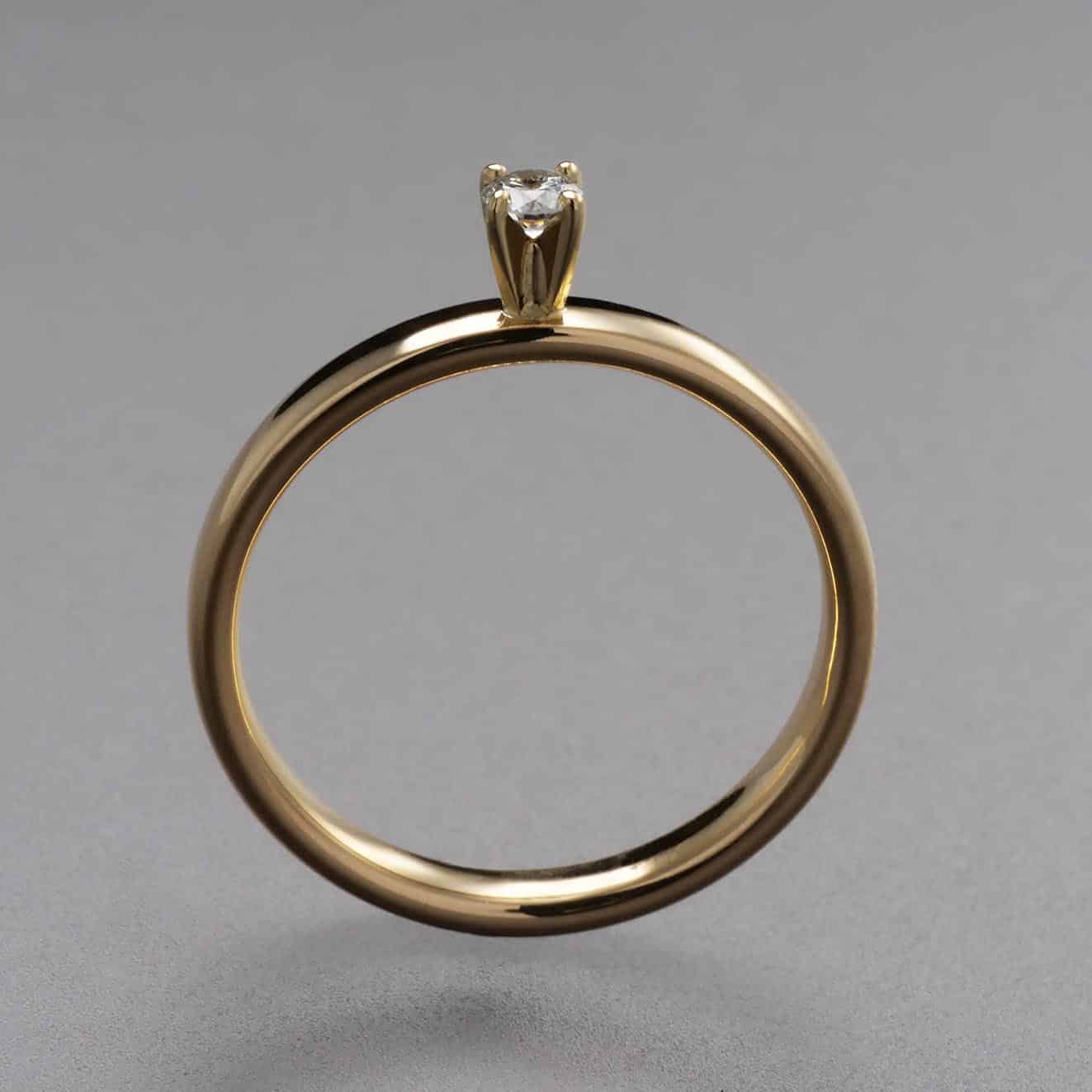
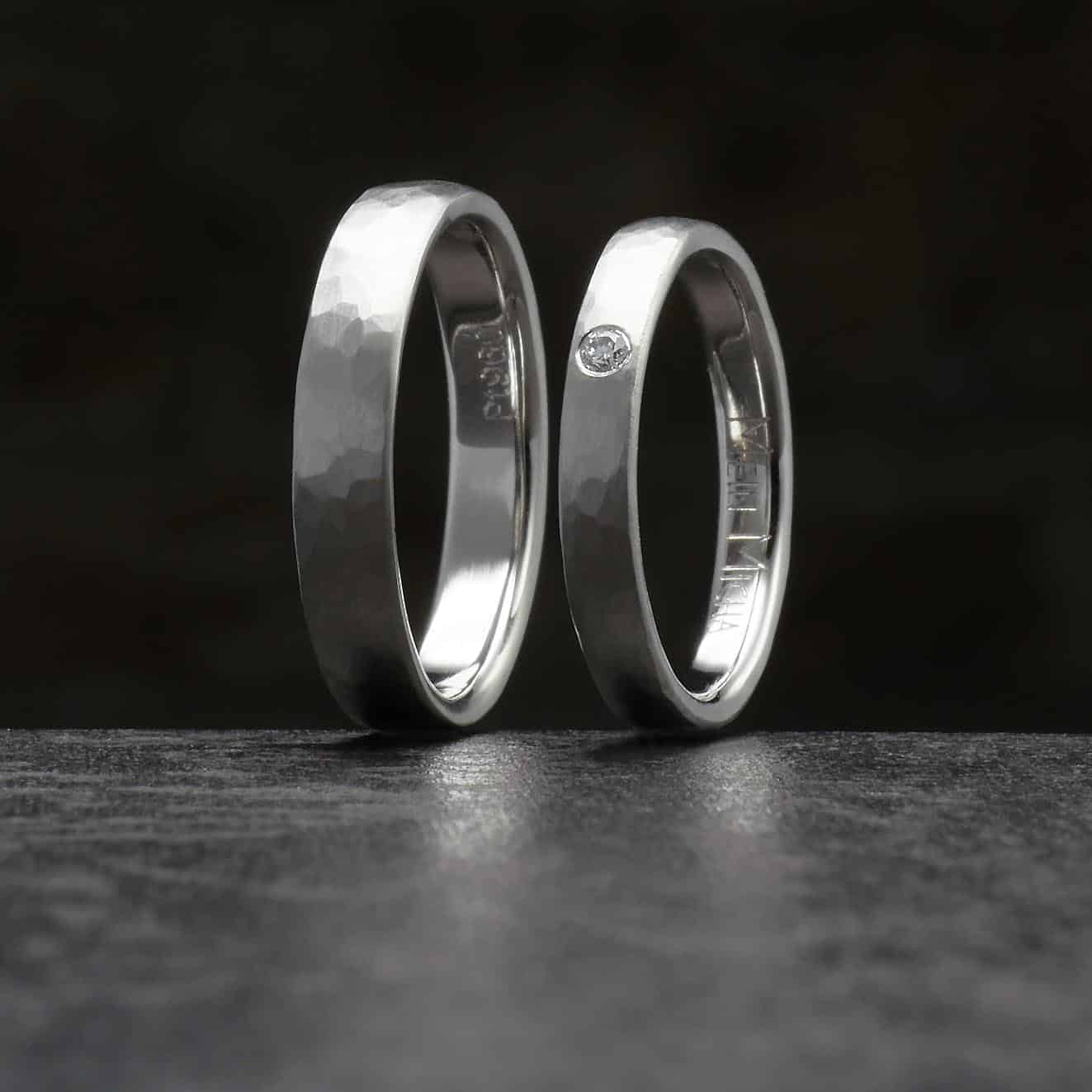
Rings created in our workshop